Profit Share vs 60/40: Why Payouts Feel Different (And More Consistent)

Why Two Owners Can Get Paid Different Amounts

This is something most owners don’t realize until they’ve already tried renting.

Two people can have:

  • the same number of points
  • the same ownership tier
  • the same type of inventory

And still get paid different amounts.

That’s not because something went wrong.

It’s because of how the traditional model works.


How the 60/40 Model Works

Most rental companies follow some version of this:

They book a reservation
They rent it out
They split the revenue

Typically:

  • 60% to the owner
  • 40% to the company

On paper, that seems fair.

But there’s a problem.


Each Booking Stands on Its Own

In a 60/40 setup, every reservation is treated individually.

That means:

  • pricing can vary
  • demand can shift
  • timing matters

So even if two owners contribute the same points, their bookings might land differently.

One might get:

  • high-demand dates
  • strong pricing

The other might get:

  • slower periods
  • lower pricing

Same input. Different outcome.


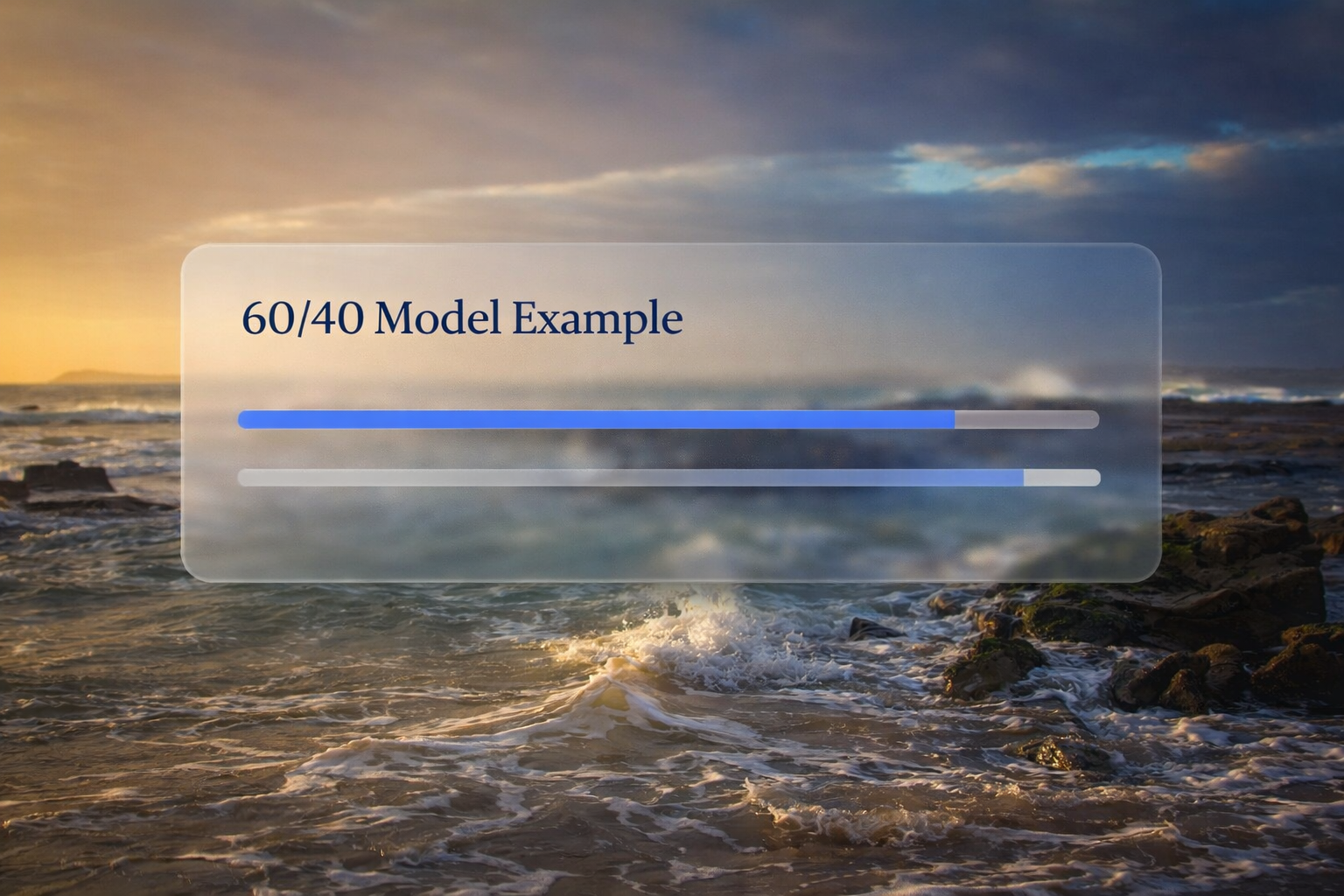
60/40 Model Example

Two owners with the same points can earn different amounts depending on how each booking performs.


Why This Feels Inconsistent

From the outside, it looks random.

One month looks good.
Another doesn’t.

That’s because you’re depending on:

how each individual booking performs

Not the overall system.


How Profit Share Changes That

Instead of evaluating every reservation on its own, everything is grouped together.

All bookings across similar owners are averaged.

Then payouts are based on that average.


Profit Share Model

All bookings are averaged across similar owners, creating more stable and predictable payouts.


A Simple Way to Understand It

Think of it like this.

Instead of:

  • 10 separate bookings with 10 different outcomes

You have:

  • one combined result across all bookings

That result gets averaged out.

So instead of highs and lows, you get something more stable.


What This Means for You

If you and another owner both assign:

  • the same number of points
  • the same tier

You should land in roughly the same range of payouts.

Not identical down to the dollar.

But close enough that it feels consistent.


Why This Matters More Than It Sounds

Most owners aren’t looking for:

  • the absolute highest possible booking
  • a one-time spike

They’re looking for:

  • something they can plan around
  • something that doesn’t swing wildly month to month

That’s what this approach is built for.


What Still Affects Payouts

This doesn’t remove the market completely.

Things still vary based on:

  • demand
  • seasonality
  • inventory

But instead of those factors hitting one booking at a time, they’re spread across everything.

That’s the difference.


Model How It Works Result
60/40 Split Each booking stands alone Inconsistent payouts
Profit Share Bookings are averaged More stable payouts

What This Is Not

It’s not:

  • a guaranteed fixed return
  • the exact same payout every time
  • something disconnected from the market

There’s still movement.

It’s just less volatile.


A Quick Example

If the average yield for a month is:

  • $10 per 1,000 points

Then:

  • 1,000,000 points → ~$10,000
  • 500,000 points → ~$5,000

That’s the baseline.

Instead of guessing per booking, you’re working off an average.


Final Thought

The traditional model focuses on individual outcomes.

This model focuses on the overall result.

That’s why one feels unpredictable, and the other feels easier to plan around.

If you’ve ever had rentals that felt all over the place, this is usually why.

What the 45-Day Payout Window Actually Means

Why You Don’t Get Paid Immediately

This is one of the first things people notice.

You hear:

“You get paid after the stay”

And then:

“There’s a 45-day window”

Naturally, the question is:

“Why?”

It’s a fair question.

And the answer is pretty straightforward once you see how the process actually works.


The Short Answer

You get paid after checkout because that’s when the reservation is complete.

The 45-day window exists to:

  • allow for any issues to be resolved
  • make sure all payments are finalized
  • keep everything consistent across all bookings

That’s it.


1 Guest Stay
2 Checkout
3 +45 Days
4 Payout

What Happens After a Guest Checks Out

Once the guest leaves the property, a few things happen behind the scenes.

There’s a short window where:

  • guests can report issues
  • refunds (if needed) can be processed
  • reservations are finalized

This isn’t specific to timeshares.

It’s standard across travel platforms.


The 12-Day Window Most People Don’t See

After checkout, there’s typically about a 12-day period where a guest can raise any concerns.

This could be:

  • something with the unit
  • something during the stay
  • anything that might affect the final charge

In most cases, nothing happens.

But the window needs to exist so everything can be settled properly.


Why Payments Aren’t Sent Right Away

Even after that initial window, there’s still processing involved.

At scale, this includes:

  • thousands of reservations per month
  • payments coming from different platforms
  • accounting checks to make sure everything lines up

That’s where the rest of the timeline comes in.


The Monthly Processing Cycle

Instead of sending payments one by one, everything is grouped into a monthly cycle.

Example:

If your reservations check out in October:

  • they’re finalized through November
  • payments are processed
  • funds go out by mid-December

It’s structured.

Not random.


Example Timeline

October checkout → mid-December payout

Reservations that check out in October are typically paid by mid-December, based on the normal payout cycle.

October Checkout
December Payout

Why This Is a Good Thing

At first, the delay can feel like friction.

But it’s there for a reason.

It prevents:

  • incorrect payouts
  • missing adjustments
  • inconsistencies across bookings

It also creates something most owners don’t get elsewhere:

predictability

You know:

  • when payouts happen
  • how they’re grouped
  • what to expect each cycle

What You’ll Receive With Each Payment

Every payout comes with a statement.

It shows:

  • which reservations were included
  • where the stays happened
  • the dates
  • the average nightly rates
  • your yield

So you’re not guessing where the number came from.


Common Misunderstanding

Some people hear “45 days” and assume:

“They’re holding my money.”

That’s not what’s happening.

The timeline exists because:

  • bookings have to be completed
  • platforms need to settle payments
  • everything needs to be verified

It’s part of keeping the process clean.


A Simple Way to Think About It

Instead of thinking:

“Why is it delayed?”

It’s better to think:

“This is when the booking is fully closed.”

Once it’s closed, it gets paid.


Final Thought

The payout timing isn’t there to slow anything down.

It’s there to make sure everything is accurate, consistent, and predictable.

Once you understand how the timeline works, it stops feeling like a delay.

It just becomes part of the process.