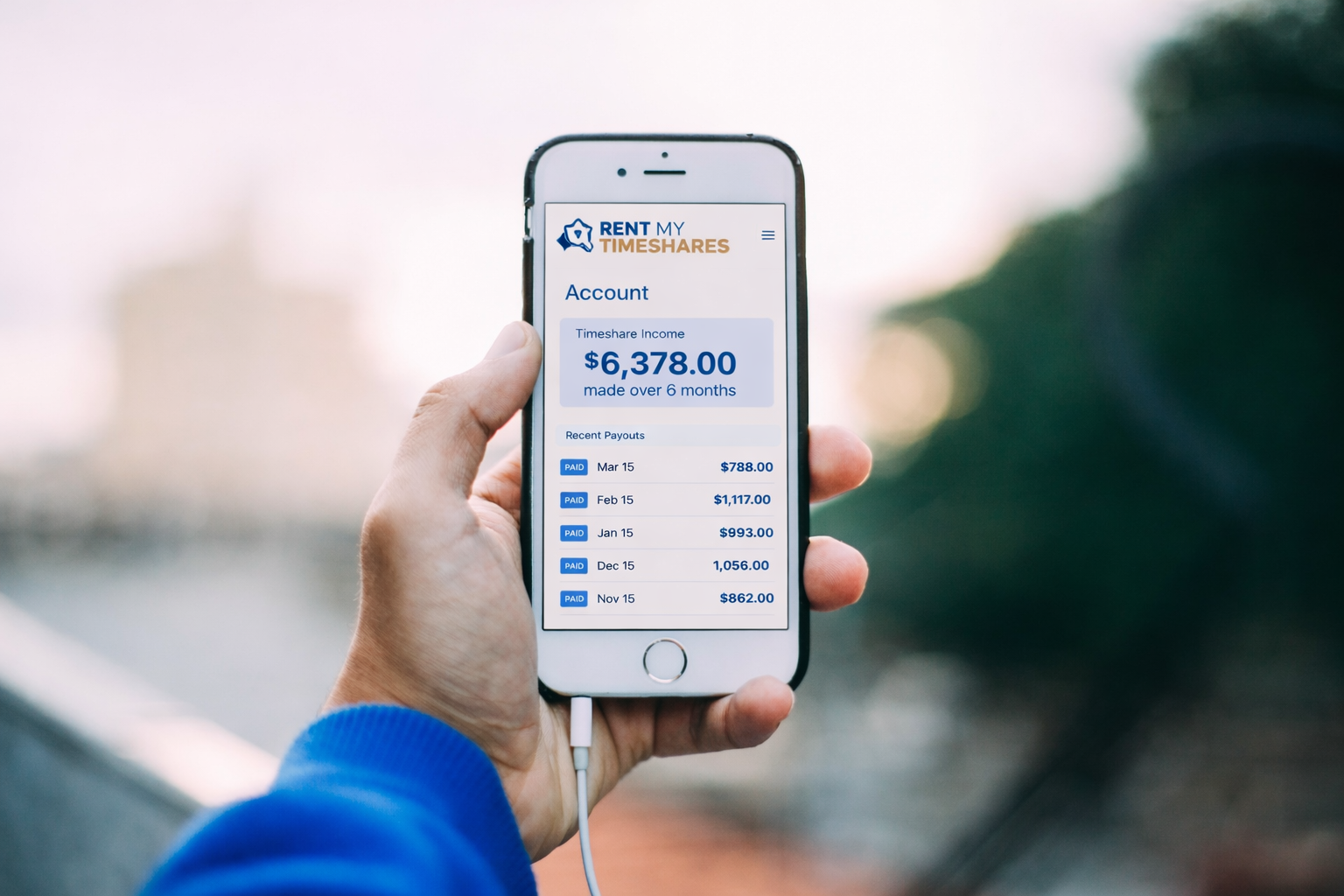
How Much Can You Make Renting Timeshare Points?

This is usually the first real question people ask.

Not how it works. Not the process.

Just:

“What does this actually pay?”

Fair question.

The answer depends on a few things, but it’s not as unpredictable as people think.


The Simple Way to Think About It

Instead of guessing per booking, everything comes down to one number:

How much you earn per 1,000 points.

Once you understand that, everything else becomes easy to estimate.


How Earnings Are Measured

Your income is based on how much you earn per 1,000 points.

Example: $8 per 1,000 points

What That Looks Like in Real Terms

Let’s say the average payout is around:

  • $7–$10 per 1,000 points (varies by tier and timing)

If you assign:

  • 500,000 points → ~$3,500 to $5,000
  • 1,000,000 points → ~$7,000 to $10,000

That’s not a projection pulled out of nowhere.

That’s based on actual averages across bookings.


What Affects How Much You Earn

There are a few factors, but none of them are complicated.

1. Your Point Volume

This is the biggest one.

More points = more bookings = more total payout.

Nothing surprising there.


2. Your Ownership Tier

Different tiers (Platinum, Founders, Presidential, etc.) tend to earn slightly different averages.

That’s based on:

  • booking flexibility
  • availability
  • benefits tied to your ownership

3. Timing of Your Points

Points don’t all convert at the same time.

Some may rent quickly. Others may be spaced out over a couple months depending on demand.

But the key difference here is:

You’re not relying on a single booking to hit.

You’re averaging across many.


Why Most Owners Get Confused About Earnings

A lot of owners have tried renting before.

What they usually experience is:

  • one booking does well
  • another barely rents
  • another doesn’t rent at all

So the income feels random.

That’s because the model they used was based on:

“Make a reservation and hope someone books it.”

That’s where things break down.


How This Becomes More Predictable

Instead of each booking standing on its own, everything is averaged.

Think of it like this:

You’re not depending on one reservation.

You’re spreading your points across many bookings, and the payout gets averaged out.

That’s how you go from:

  • random results
    to
  • something you can actually estimate ahead of time

Points Assigned Estimated Yield ($8 / 1k)
300,000 $2,400
500,000 $4,000
1,000,000 $8,000

A More Practical Way to Estimate Your Income

You don’t need a complicated calculator to get a rough idea.

Just do this:

Take your total points
Divide by 1,000
Multiply by an average rate

That gives you a ballpark.

Example:

  • 800,000 points
  • ÷ 1,000 = 800
  • × $8 = $6,400

It won’t be exact, but it’ll be close enough to plan around.


What This Income Is Usually Used For

Most owners aren’t looking to replace their job with this.

They’re trying to:

  • offset maintenance fees
  • cover part of their ownership cost
  • get something back from unused points

Some go further, but that’s the baseline.


What This Is Not

It’s not:

  • a guaranteed fixed monthly paycheck
  • something that pays instantly
  • something where every booking is identical

There’s still a market behind it.

But compared to how most owners have experienced rentals before, it’s a lot more stable.


Final Thought

If your points are sitting unused, they’re not producing anything.

That’s the real baseline.

Once you start looking at them in terms of:

“What can these generate per 1,000 points?”

It becomes much easier to make decisions.

Not emotional ones. Just practical ones.

If you want to get a more specific estimate based on your points, that’s the next step.
How Timeshare Rentals Actually Work (Step-by-Step)

Most timeshare owners have heard that you can rent out your points.

What’s usually missing is a clear explanation of how it actually works.

Just the real process, step by step.

The Simple Version First

Before getting into details, here’s the entire process in one line:

You assign your points → they get matched to real guest demand → reservations are made → guests stay → you get paid.

That’s it.

If you understand that, you already understand more than most owners.

Assign Points
Match Demand
Reservation Booked
Guest Stay
Payout

Step 1: You Assign Your Points

This is the only real action on your side.

You decide how many points you want to rent out.

Some owners do all of them. Some do a portion. It depends on how much you plan to use personally.

There’s no long-term commitment tied to this. You’re not locking yourself into anything year after year.

You’re just saying:

“Here’s what I’m not using. Let’s put it to work.”

That’s it.

Step 2: Real Guest Demand Comes First

This is where most of the confusion in the industry starts.

A lot of rental companies take your points, make a bunch of reservations they think will rent, and then try to find guests after the fact.

Sometimes it works. A lot of times it doesn’t.

That’s where you get stuck with:

  • bookings that sit
  • pricing that doesn’t move
  • inconsistent payouts

The approach here is different.

Instead of guessing, bookings are made based on actual guest requests.

There are already people searching for specific:

  • dates
  • resorts
  • unit sizes

When your points are assigned, they’re matched against that demand.

So when a reservation is made, it’s already tied to a real guest.

Not a guess.

Step 3: The Reservation Is Made in Your Account

Once there’s a match, the reservation is created directly inside your timeshare account.

Nothing gets booked randomly.

Nothing sits waiting for a renter.

The stay is already connected to someone who plans to check in.

That’s an important difference.

You’re not waiting to see if something happens.

The value is already attached when the reservation is made.

Step 4: The Guest Stays

From your side, nothing changes here.

You’re not:

  • messaging guests
  • coordinating check-ins
  • answering questions

That’s all handled.

The guest checks in, stays at the property, and checks out like any normal booking.

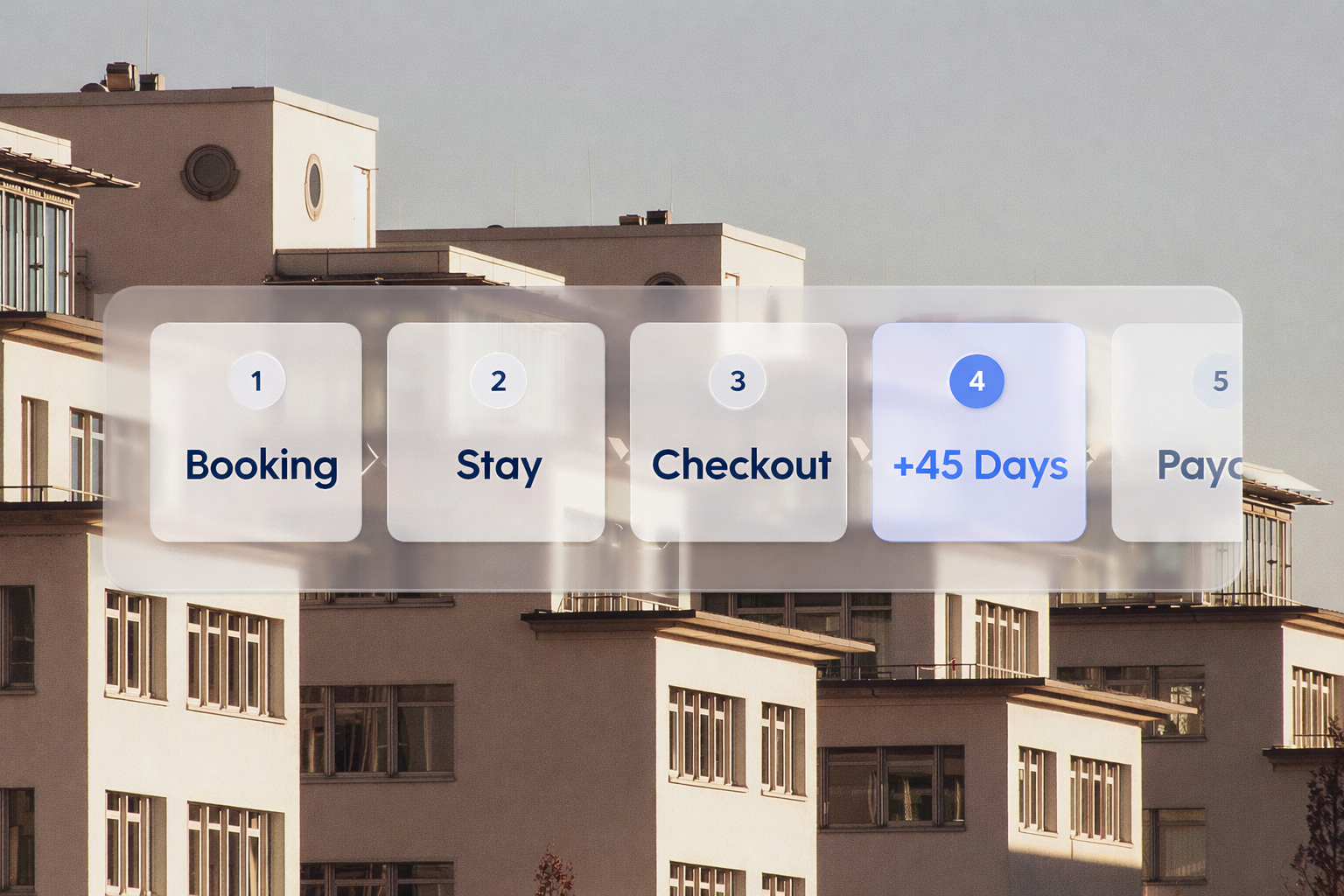
Step 5: You Get Paid

Once the stay is completed, the payout process starts.

Payments are based on completed stays, not bookings.

That’s standard across travel platforms, even outside of timeshares.

There’s a short window after checkout where:

  • any issues can be reported
  • adjustments can be made if needed

After that, everything is finalized and processed.

1 Booking
2 Stay
3 Checkout
4 +45 Days
5 Payout

Why This Feels Different From What You’ve Heard Before

If you’ve looked into renting before, you’ve probably run into some version of this:

  • “List your timeshare online”
  • “Set your own price”
  • “Wait for someone to book it”

On paper, that sounds simple.

In practice, it usually turns into:

  • low visibility
  • pricing guesswork
  • inconsistent results

The biggest difference in how this works comes down to one thing:

Bookings are based on demand first, not assumptions.

Step Typical Rental Company RMT
Booking Books first, hopes it rents Matches real demand first
Risk Inventory may sit unused Bookings tied to real guests
Owner Involvement Often required Hands-off
Payouts Inconsistent More stable

What You Actually Do (And Don’t Do)

This part matters, because a lot of owners assume this is more involved than it is.

What you do:

  • Decide how many points to assign
  • Keep whatever you want for personal use

What you don’t do:

  • Find renters
  • Create listings
  • Manage pricing
  • Handle guests
  • Track bookings

Once your points are assigned, the rest is handled.

A Quick Way to Think About It

If your points are sitting unused, they’re not doing anything.

They’re just there.

This process gives them a job.

Either you use them, or they get turned into income.

It doesn’t need to be more complicated than that.

Final Thought

Most of the confusion around timeshare rentals comes from how the industry has handled it in the past.

Too much guessing. Too much manual work. Not enough consistency.

When you strip it down, the process itself is simple.

Assign your points.
Match them to real demand.
Complete the stay.
Get paid.

That’s all you really need to understand.

If you want to see what your points could realistically generate, you can start there.